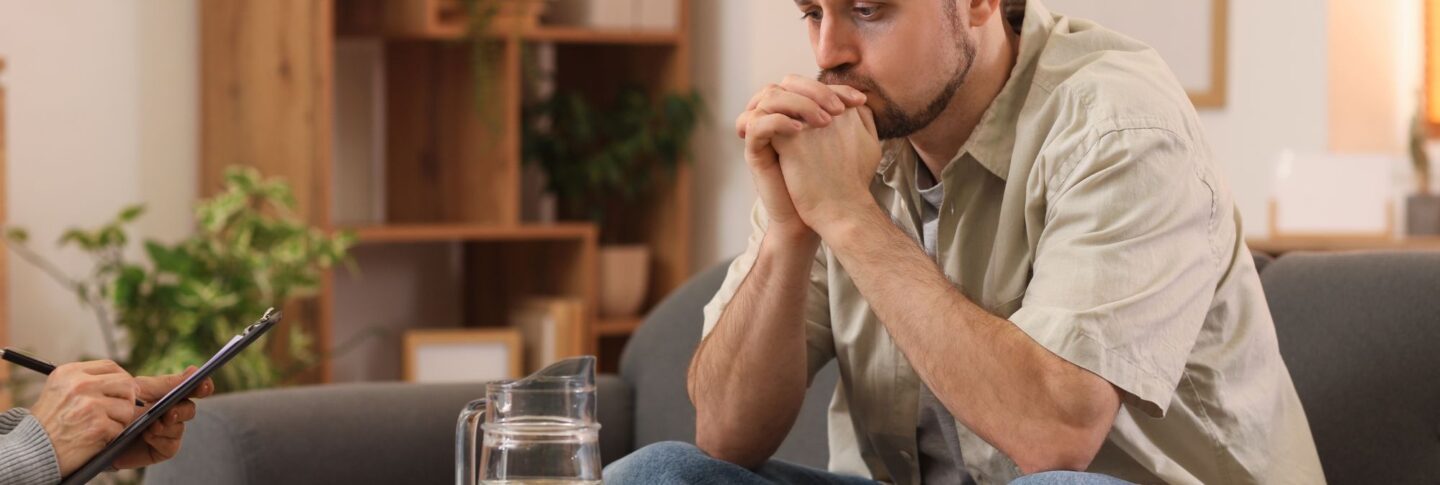
Ganja addiction treatment focuses on helping people regain control when marijuana use begins to affect daily life, mental health, or responsibilities. While ganja use is often viewed as manageable, repeated use can lead to tolerance, cravings, withdrawal symptoms, and problems with work, school, sleep, or relationships. Ganja addiction treatment provides structured support for people who want to reduce or stop use and address the effects that have built up over time.
At Rego Park Counseling, outpatient mental health and substance use services are provided for adults, couples, and families across Queens and the greater New York City area. Care includes evidence-based counseling, dual diagnosis treatment, group support, and flexible options such as telehealth and community-based programs. Services are designed to address both substance use and co-occurring mental health concerns under one coordinated plan.
When Ganja Use Becomes a Treatment-Level Concern
Ganja use becomes a treatment-level concern when it causes distress or interferes with normal functioning. This can include difficulty cutting back, using more than planned, or continuing to use despite negative effects on mood, health, or responsibilities. Ganja addiction treatment is not only for people who use daily; it can also help those who feel stuck in a pattern they cannot control.
According to research, cannabis use disorder is a complex mental health condition involving a problematic pattern of marijuana use that causes distress and impairs daily life. It may range from mild to severe, and it is considered a type of substance use disorder that requires evaluation and treatment when ongoing use interferes with responsibilities, mood, or social functioning.
Cannabis use disorder exists on a spectrum from mild to severe. Mild forms may involve cravings or early tolerance, while more severe forms include loss of control, withdrawal symptoms, and clear impairment in daily life. Ganja addiction treatment is matched to where a person falls on this spectrum rather than using a one-size approach.
Signs That Support May Be Needed
Many people enter ganja addiction treatment after noticing repeated warning signs. These signs often develop gradually and may feel easy to dismiss at first. Over time, they tend to become harder to ignore.
Common signs include increased tolerance, cravings, irritability when not using, sleep problems, anxiety, memory issues, and trouble focusing. Behavioral changes may include missing work, pulling away from family, spending more money on ganja, or using to cope with stress or emotional discomfort.
Your First Step in Ganja Addiction Treatment
The first step in ganja addiction treatment usually involves an intake and clinical assessment. This process looks at current use patterns, frequency, potency, and how ganja affects mood, sleep, motivation, and daily responsibilities. The goal is to understand the full picture, not to label or judge.
Screening also includes mental health symptoms such as anxiety, depression, trauma-related stress, or mood changes. Because substance use and mental health conditions often overlap, ganja addiction treatment works best when both are addressed together from the start.
How Diagnosis Guides Care
Clinical criteria are used to guide ganja addiction treatment planning. These criteria focus on patterns like unsuccessful attempts to cut back, time spent using or recovering, cravings, tolerance, withdrawal symptoms, and ongoing use despite problems at home, work, or school.
The severity level helps determine the intensity of care. Mild cases may respond well to outpatient counseling, while moderate or severe cases may need more structured support. Ganja addiction treatment plans are adjusted over time based on progress and changing needs.
Common Symptoms Addressed in Treatment
Ganja addiction treatment often addresses both physical and psychological symptoms. Short-term effects that drive repeated use may include relaxation followed by anxiety, impaired memory, slowed reaction time, and changes in appetite or sleep. These effects can make it harder to function consistently.
Longer-term patterns may include low motivation, mood swings, emotional numbness, difficulty concentrating, and relationship strain. Ganja addiction treatment helps people understand how these symptoms connect to use and how to stabilize daily functioning.
Potency and High-THC Products
Modern ganja products often contain higher levels of THC than in the past. Concentrates, wax, oil, shatter, vaping products, and dabbing can deliver large amounts of THC in a short time. These products can increase the risk of panic, paranoia, anxiety, and psychosis-like symptoms in some users.
Ganja addiction treatment takes potency into account during assessment and planning. Reducing exposure to high-THC products often plays a role in stabilizing symptoms, especially for people with anxiety, PTSD symptoms, bipolar disorder, or schizophrenia.
What Withdrawal Can Look Like
Withdrawal is a common focus of ganja addiction treatment. Symptoms are usually psychological rather than medical emergencies, but they can still feel disruptive. Common withdrawal symptoms include irritability, restlessness, anxiety, depressed mood, poor sleep, appetite changes, and cravings.
Symptoms often begin within the first few days after stopping or reducing use and may last one to two weeks. Sleep problems and mood changes may last longer for some people. Ganja addiction treatment provides coping strategies and support during this phase to reduce relapse risk.
When Symptoms Need Further Review
Not all symptoms resolve quickly after stopping ganja use. Ongoing anxiety, depression, sleep problems, or mood instability may point to a co-occurring mental health condition. Ganja addiction treatment includes ongoing monitoring to separate withdrawal effects from underlying concerns.
Addressing these issues together helps improve outcomes. Treating substance use without addressing mental health often leads to repeated setbacks. Integrated care is a key part of effective ganja addiction treatment.
Building a Treatment Plan
A ganja addiction treatment plan outlines clear goals and steps for care. Goals often include reducing or stopping use, improving sleep, stabilizing mood, rebuilding routines, and strengthening relationships. Progress is reviewed regularly to adjust the plan as needed.
Treatment levels may include outpatient counseling, intensive outpatient programs, or telehealth services. The right level depends on symptom severity, daily responsibilities, and support systems. Ganja addiction treatment works best when it fits into real life rather than disrupting it completely.
RPC CORE Program offers structured recovery support for individuals who need consistent guidance while working on ganja addiction treatment and related mental health challenges. If you are looking for a program that combines counseling, peer support, and recovery-focused services under one plan, we offer CORE as part of our outpatient care. This program supports long-term stability by reinforcing coping skills, routine, and community connection throughout the recovery process.
Therapy Approaches Used in Treatment
Cognitive behavioral therapy is commonly used in ganja addiction treatment. CBT focuses on identifying triggers, managing cravings, changing thought patterns, and building healthier coping skills. It also supports relapse prevention by teaching practical strategies for high-risk situations.
Other approaches may include skills-based therapy for emotion regulation, group therapy for peer support, and family or couples counseling when relationships are affected. These methods help address both behavior and emotional drivers behind ganja use.
Family and Group Support
Family involvement can play a helpful role in ganja addiction treatment when appropriate. Education, communication support, and boundary setting can reduce conflict and improve understanding. Family sessions focus on practical support rather than blame.
Group therapy offers shared accountability and reduces isolation. Hearing from others facing similar challenges helps normalize the recovery process. Group-based ganja addiction treatment also supports skill practice and consistency.
Medication and Medical Support
There is no FDA-approved medication specifically for cannabis use disorder. Ganja addiction treatment focuses on behavioral therapy rather than medication for the substance itself. Medications may still be used to support co-occurring conditions like anxiety, depression, or sleep disorders when appropriate.
Medical coordination helps track symptoms and adjust care. This integrated approach supports stability while behavioral changes take hold.
Relapse Prevention and Long-Term Recovery
Relapse prevention is a core part of ganja addiction treatment. Common triggers include stress, poor sleep, social pressure, boredom, and emotional discomfort. Treatment helps people recognize early warning signs and respond before patterns return.
Long-term recovery focuses on routines, coping skills, support networks, and realistic expectations. Continued counseling, step-down care, and peer support help maintain progress after initial treatment goals are met.
Treatment for Different Life Stages
Ganja addiction treatment may look different based on age and life stage. Teens and young adults may face academic challenges, peer pressure, and brain development concerns. Adults may struggle more with work performance, family responsibilities, or chronic stress.
People who use ganja to cope with anxiety, trauma, or depression often benefit from addressing both the substance use and the underlying emotional drivers. Integrated ganja addiction treatment reduces the risk of substitution or repeated cycles.
Getting Help in Queens and NYC
Access to care is a major factor in recovery. Effective ganja addiction treatment includes clear planning, evidence-based therapy, and coordination with mental health services. Outpatient and telehealth options help people receive care without stepping away from daily responsibilities.
Local programs that understand community needs, court referrals, and diverse populations offer added support. Treatment should feel structured, respectful, and realistic.
Conclusion
Ganja addiction treatment provides structured support for people who want to change patterns that no longer serve them. Treatment focuses on understanding use, stabilizing symptoms, building coping skills, and addressing mental health concerns that often overlap. With the right level of care, many people improve sleep, mood, focus, and daily functioning over time. Recovery is not about perfection but about building steady progress and reducing harm.
At Rego Park Counseling, outpatient and telehealth ganja addiction treatment is available for individuals, couples, and families across Queens and New York City. Services include dual diagnosis care, counseling, group support, and community-oriented programs that address substance use and mental health together. If you are exploring options or need guidance on next steps, you can contact us to learn more about available services and scheduling. Support is offered with flexibility and respect for each person’s situation.
FAQs
How long does ganja addiction treatment take?
Ganja addiction treatment length varies by severity and goals. Many outpatient programs last several weeks to a few months, with ongoing support available as needed.
Is ganja withdrawal dangerous?
Ganja withdrawal is usually not medically dangerous, but symptoms like anxiety, irritability, and sleep problems can feel intense. Treatment helps manage these symptoms and reduce relapse risk.
Do I have to stop completely to start treatment?
No. Ganja addiction treatment can begin with harm reduction or gradual change. Goals are set based on individual needs and readiness.
Can treatment help if I also have anxiety or depression?
Yes. Ganja addiction treatment often includes care for co-occurring mental health conditions, which improves outcomes and stability.